Such is the Price of Liberty
It was November 1778 when the skirmish at the Bulltown Swamp occurred as British Colonel James Mark Prevost with 300 British regulars under his command - 200 Loyalists and 150 Native American led by South Carolina Loyalist Daniel McGirth, a man more outlaw than officer, ravaged the Midway district, burning homes, enslaved quarters, barns, and churches while confiscating food, animals, the enslaved, killing any man who resisted, and taking prisoners
In the waning light of day, as the Bulltown Swamp lay cloaked in mist and menace, Georgia patriots militarily resisted the invading British army with a clash of steel as the cry of dying men echoing through the cypress swamps gloom. Loyalist and Patriot blood mingled in the mire of that landscape. Patriot Colonel Baker fell wounded alongside Captain Cooper and young Lieutenant Goulding; those men's valor could not forestall the coming retreat. The Patriot line broke, not from cowardice, but from the cruel arithmetic of war. The Patriots were outnumbered.
The following dawn brought no reprieve. General James Screven, a patriot of stern conviction and quiet fire, rallied his militia, led them down the New Inverness Road. But fate, ever that silent conspirator, had laid its trap at Spencer Hill. The British ambush was swift, merciless. Screven, wounded and captured, was borne to Tranquil, the Riceborough plantation of Daniel Stewart, where Colonel Prevost had made his headquarters. There, beneath those tranquil shadows, amid the hush of Spanish moss, General Screven breathed his last.
In a gesture that blurred the line between honor and occupation, Colonel Prevost permitted the Patriots to reclaim their fallen commander. General Screven was laid to rest in the northern corner of Midway Cemetery, beneath live oaks whispering of liberty and loss.
But the British were not yet done.
Colonel Prevost marched upon the Midway Meeting House, finding it fortified but deserted he set torch to timber, burning the church and the homes that flanked it, including the residence of Dr. Lyman Hall, whose name now echoed in the halls of independence.
Then came the final thrust: Fort Morris, sentinel of Sunbury, where the Patriots clung to their thread of hope and essential supply. The British army arrived with fire in its heart and conquest in its soldiers eyes, intent on razing the town and severing the artery of rebellion.
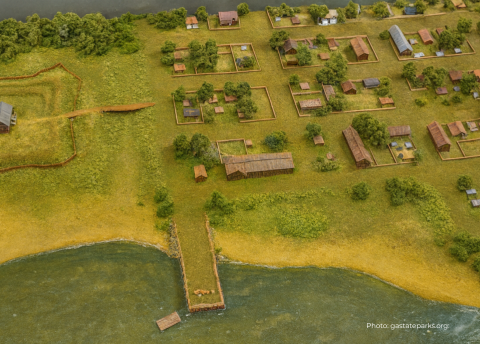
Fort Morris, built on a bluff above the Medway River, was no wooden palisade - it was a fortress of earth and defiance. Its walls, irregular and formidable with a moat encircled it. Its eastern rampart bore the heaviest guns. Barracks, powder house, and cannons stood ready. But war is not won by fortifications alone. Beneath the Georgia sun and amongst the swamps that guarded the fort's flanks, men bled not for land or loot, but for the soul of a nation unborn. Patriots fought for liberty, for the right to shape their destiny without the yoke of distant kings. While the Loyalists, no less brave, stood for order, for allegiance to the sovereign who had shaped the world they knew.
But fate that November of 1778, once again had other plans. The British demanded the fort's surrender. Patriot Lieutenant Colonel John McIntosh replied with immortal defiance: “We sir, are in the fight for America's independence; therefore, dastan to remain neuter, as to surrendering the fort, receive this laconic reply, come and take it.” The fort held. The town stood. The port endured. The flame of resistance refused to die.
For the lack of reinforcement and the British navy not being present to bombard Fort Morris, Colonel Prevost retreated back to British East Florida. Those November 1778 military actions in the Midway district occurred before the British captured Savannah - December 29, 1778. The British Southern campaign began in Liberty County that November 1778.
Upon the windswept bluff where Fort Morris now rests - its earth, eerily quiet, its cannons long silenced - there once thundered the cries of men who dared to die for what they believed. It is no mere battlefield. It was a crucible of ideology, where Patriots, aflame with the dream of self-governance, clashed with Loyalists, steadfast in their devotion to the Crown.
With the British capture of Savannah December 1778, Fort Morris fell the following month on January 9, 1779. The town of Sunbury, its port facilities were burned, and Fort Morris overrun became a British prison of war encampment housing patriots for two years. With Sunbury and Fort Morris falling into British hands, Liberty County became a crucible of guerrilla and scorched earth warfare - patriot against loyalist, neighbor against neighbor, family against family.
April 1781 saw the arrival of patriot Fighting Irishman Captain Robert Carr's at Fort Morris with his Carr’s Independent Corps which stormed the British Fort George - Patriot Fort Morris. The battle was savage, the slaughter near total as Carr's Corp captured the fort.
To walk the grounds of Fort Morris State Historic Site today is to tread upon hallowed ground, soil where conviction was currency and death the final payment. A place where ghosts linger not in sorrow, but in pride. For whether those who died wore the red of the King or the homespun blue of a Patriot, they stood, they fought, and they fell into eternity for their belief. And belief - as history has shown, is the most dangerous and divine force of all.
Each year on a Saturday, closest to November 26, when the morning sun casts long shadows upon the hallowed grounds that is Fort Morris. Come - and gather with citizens, descendants, and lovers of history to honor the valor of Georgia and Liberty County’s patriots. Beneath banners stirred by a coastal breeze and amid the solemn cadence of remembrance, the national congress of the Sons of the American Revolution convene for their annual storied rite: the “Come and Take It” wreath-laying ceremony. It is not mere ritual, but a reckoning with legacy, a tribute to those who dared defiance and etched liberty into the soil with blood and conviction.
Such is the price of liberty.
Article: K.P. Odom